See What
Comes Out
In The Wash
This website uses audio to enhance your experience
NIDO
The new NIDO packaging might seem like a greener scoop, but it’s a powder-puff gesture compared to the powderful climate cost of Nestlé’s dairy production.
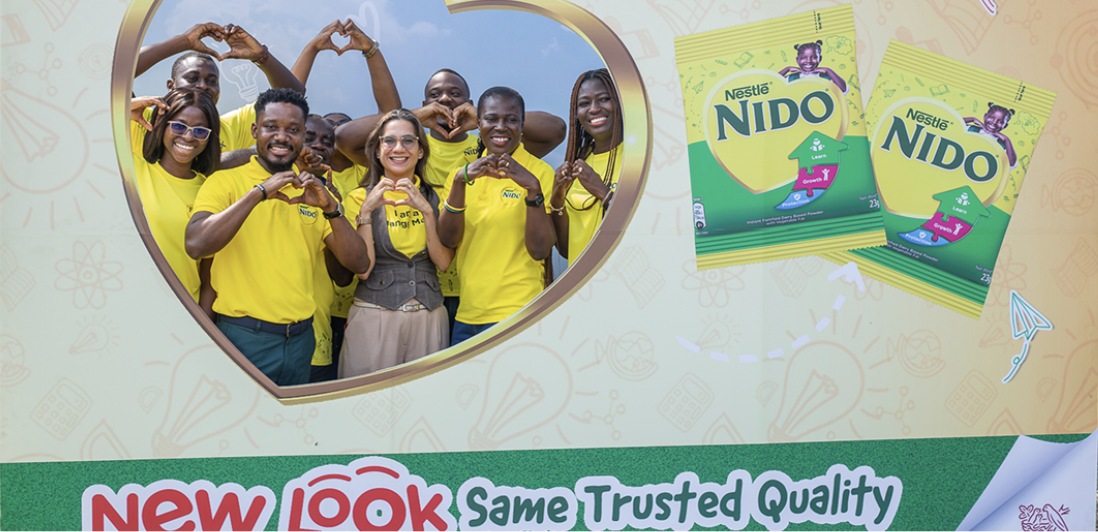
Nestlé Ghana redesigned the packaging for NIDO, simplifying the materials used and claims that the plastic is easier to recycle. There is very limited information available about the materials used. While Nestlé claims the packaging is easier to recycle, this does not guarantee recycling rates of the product will increase. Plastic waste recycling rates in Ghana are low, estimated at approximately 10% with PET recycling even lower at just 2% according to the World Economic Forum. These are primarily due to the prevalence of informal, small-scale recycling operations in the country. In the U.S., NIDO’s metal cans are fully recyclable and the plastic scoops have been removed, which Nestlé estimates saves 36 tons of plastic a year.
The new packaging design in Ghana misleads consumers into believing that packaging is the primary environmental concern of the NIDO brand. However, its impacts are minor compared to the emissions created by Nestlé’s dairy and livestock ingredients which represent the largest part of its Scope 3 GHG emissions at 30%. These emissions are notably absent from company communications about the new packaging.
September 2025.